This web page is a concept developed by Chris Lysy of freshspectrum.com for educational purposes. You can download the original 22 page PDF by following this link.
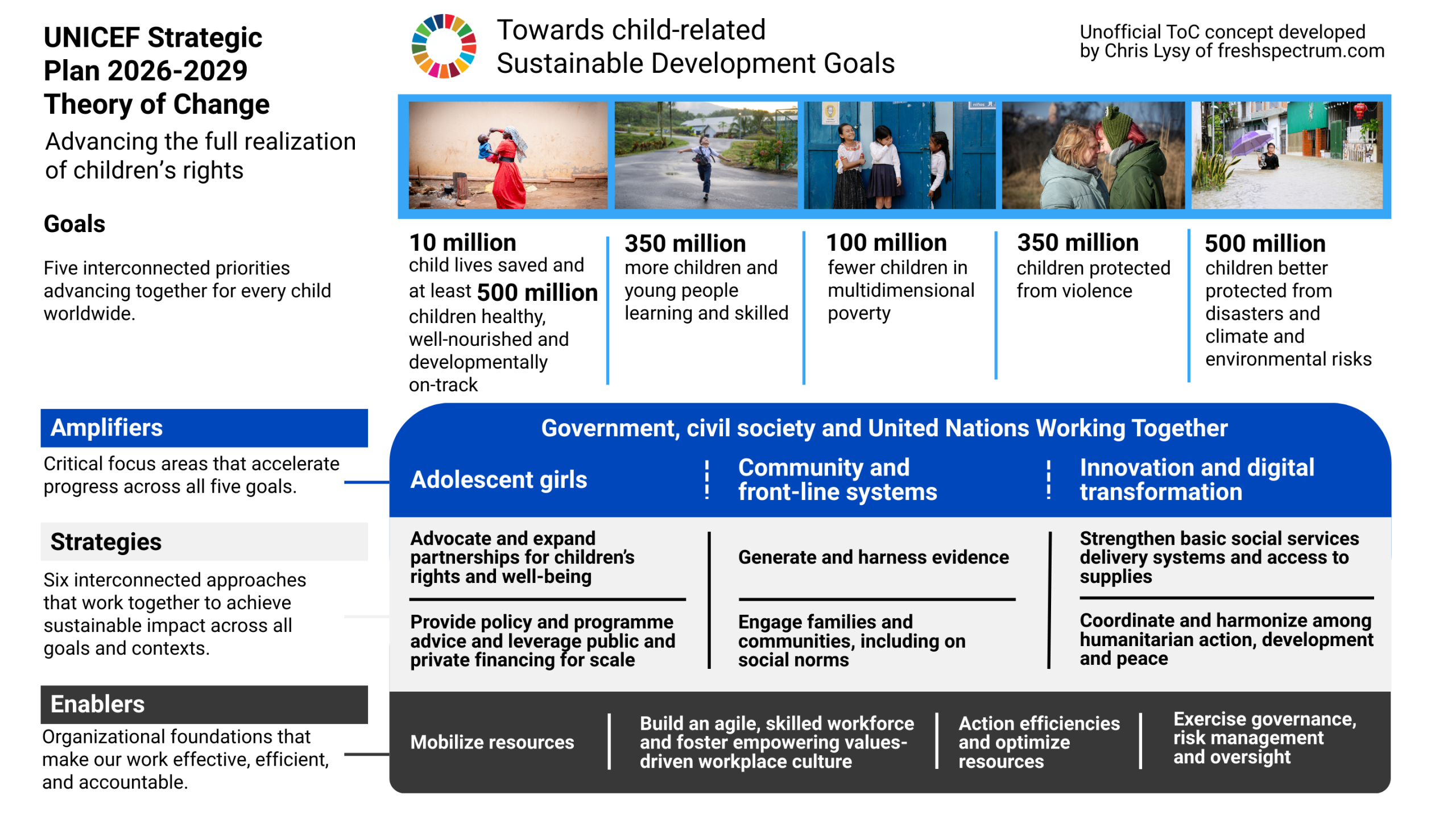
UNICEF Strategic Plan 2026–2029
How We'll Help Every Child Survive, Learn, and Thrive
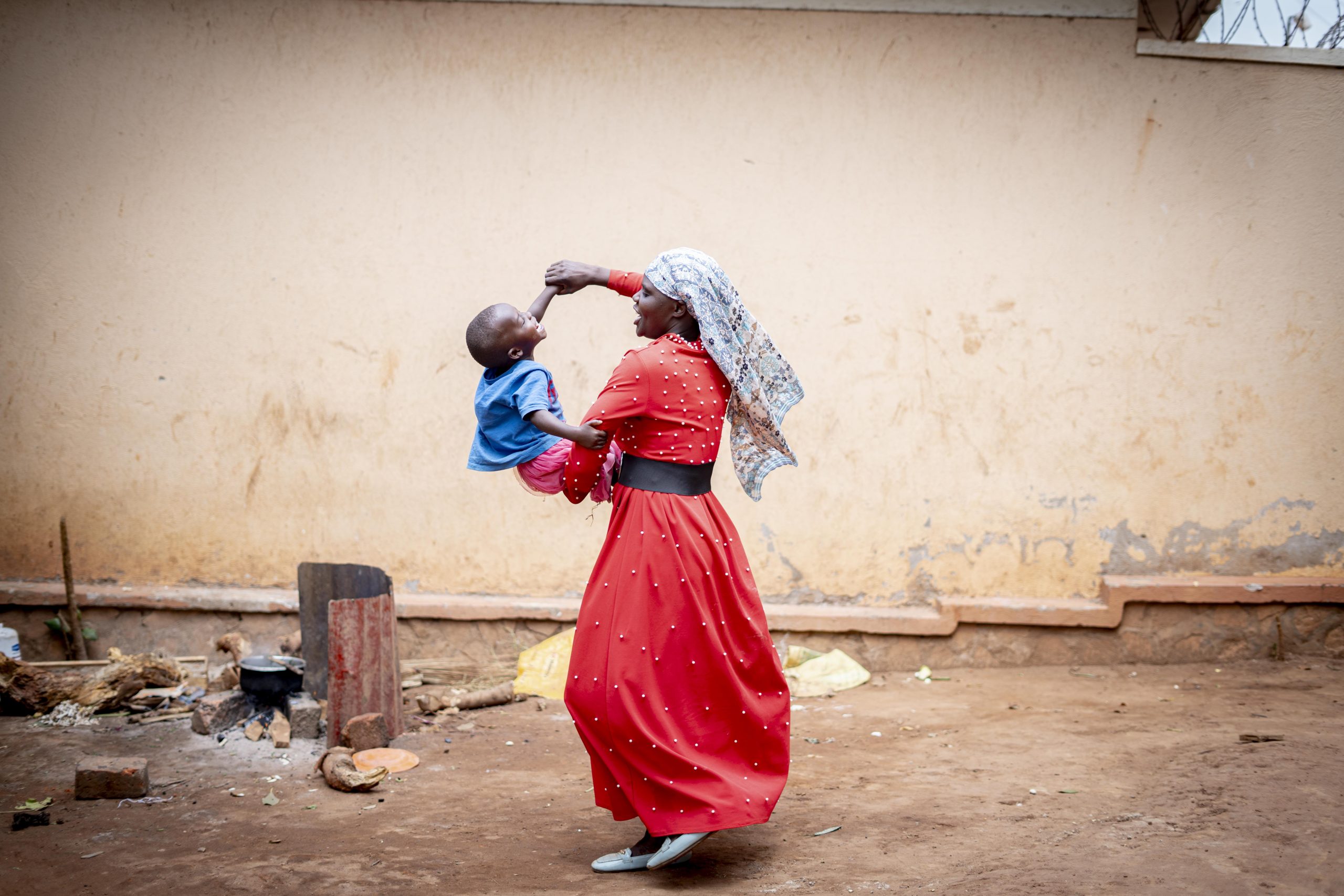
© UNICEF/UNI871486/Abdul
What This Plan Does
This is UNICEF’s strategy for the next four years. It explains how we’ll improve children’s lives and why we believe this approach will work.
We’re focusing on five interconnected goals. Progress in one area drives progress in others. Isolated efforts don’t create lasting change. Real progress happens when countries build strong systems that reach every child.
The Five Goals
- Save 10 million children's lives and help 500 million children grow up healthy and well-nourished.
- Help 350 million more children learn and gain the skills they need for life.
- Lift 100 million children out of poverty.
- Protect 350 million children from violence.
- Protect 500 million children from climate disasters.
These aren’t separate targets. They’re parts of one system working together.
Why This Matters Now
Progress Is Reversing
—
Only 1 in 4 children will live in countries meeting their development targets by 2030.
—
The world made real progress for decades. Child deaths dropped. More kids went to school. Fewer families lived in extreme poverty. But that progress is now slowing and reversing.
Nearly 5 million children still die before age five each year. Half of all 10-year-olds can’t read a simple story. Almost 700 million people live in extreme poverty. Two out of three children face violent punishment at home. Nearly half of children live in high-risk climate zones.
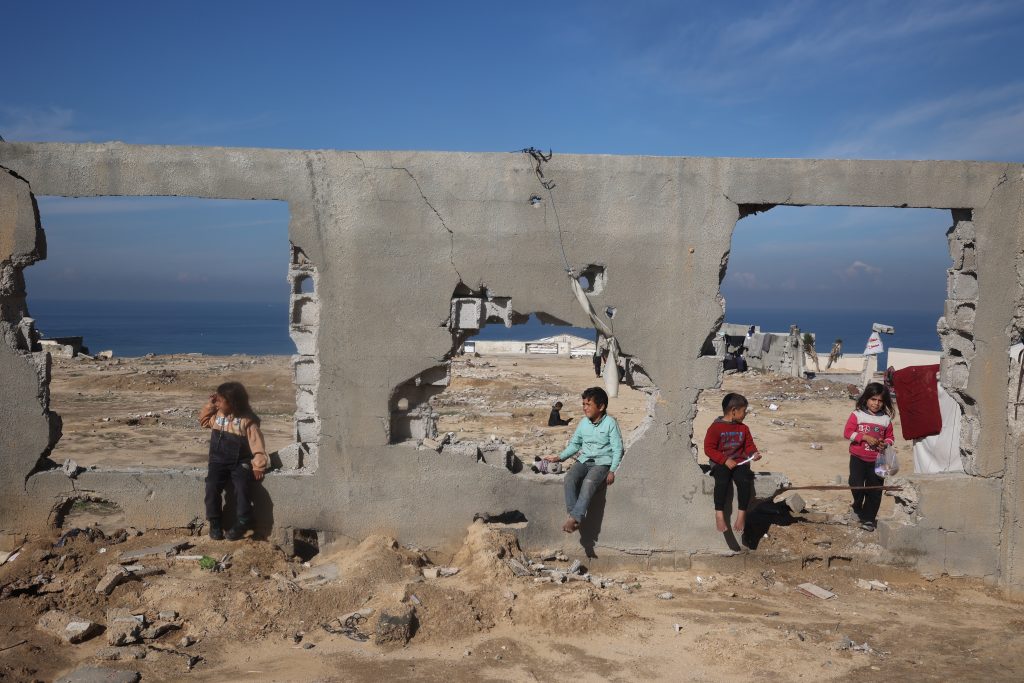
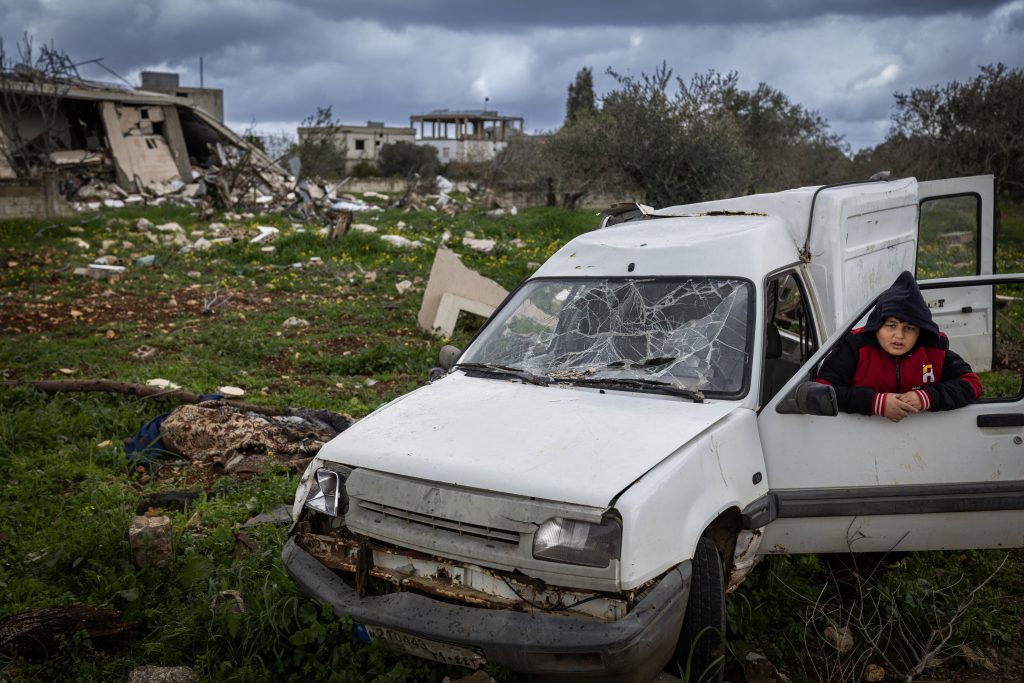
Multiple Crises Are Colliding
—
473 million children live in conflict zones.
—
Conflict and displacement have doubled in a decade. Democratic institutions are weakening. The digital divide is widening. Countries are drowning in debt. Development aid dropped 7% in 2024.
Girls face growing restrictions on their rights. Economic pressure leaves little room to invest in children. Climate disasters destroy progress faster than we can build it.
The Future Is Shifting
—
By 2050, most children will live in Africa and South Asia
—
The world’s child population will stay around 2.4 billion, but where children live is changing dramatically. Sub-Saharan Africa’s population growth exceeds anything in history. More children will live in cities. Climate change and conflict will drive more migration.
How Change Happens
Five Things Must Work Together
Real progress requires five fundamentals to be in place simultaneously:
If children survive and grow up healthy
And children learn and gain skills
And children escape poverty
And children are protected from violence
And children are safe from climate disasters
Then children reach their potential and countries achieve their goals.
These goals reinforce each other. Healthy children learn better. Education fights poverty. Violence undermines everything. Poverty compounds all risks. Climate change destroys progress across all areas.
This is why we can’t just focus on one area. All five must advance together.
Three Big Shifts in How We Work
Focus
Fewer priorities, done really well. We're concentrating on five impact results backed by proven solutions.
Scale
Beyond projects to entire systems. We're working with governments on national reforms that affect millions, building resilient systems that last.
Differentiation
Tailored approaches for each context. Every country faces different challenges and has different capacities.
Goal 1: Save Lives and Improve Health
10 million child lives saved, 500 million children healthy and well-nourished
—
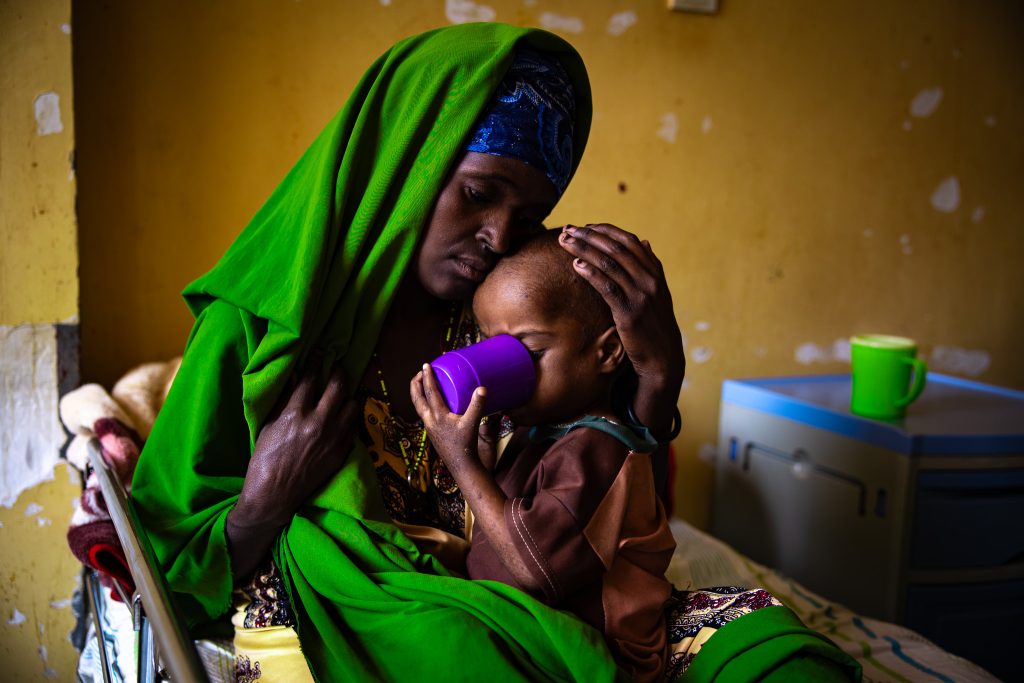
4.8 million children die before age five each year.
—
Without health and nutrition, nothing else is possible. We know how to prevent most of these deaths. The challenge is reaching every child.
We’ll help countries build strong primary healthcare systems that reach every mother and child:
Maternal and child survival
Improve care before, during, and after birth. Expand skilled birth attendance and emergency obstetric care. Focus on adolescent girls and women with disabilities.
Immunization
Reach zero-dose children who miss all vaccines. Strengthen supply chains. Work toward eradicating polio.
HIV treatment
Expand early diagnosis and antiretroviral therapy, particularly in Sub-Saharan Africa.
Mental health
Integrate support into health, education, and protection systems. Prioritize adolescents, especially girls.
Nutrition
Prevent stunting and treat malnutrition across 1.2 billion children and women. Focus on adolescent girls and women of reproductive age.
Water and sanitation
Help 100 million children access safe drinking water. Improve sanitation for 200 million children.
Integrated services
Connect health, nutrition, water, and early childhood development so families can access everything they need.
We’ll track child and maternal mortality, immunization coverage, malnutrition rates, and access to safe water. We’ll work with WHO, the World Bank, Gavi, WFP, and major health partnerships.
Goal 2: Education and Skills
350 million more children learning and skilled
—
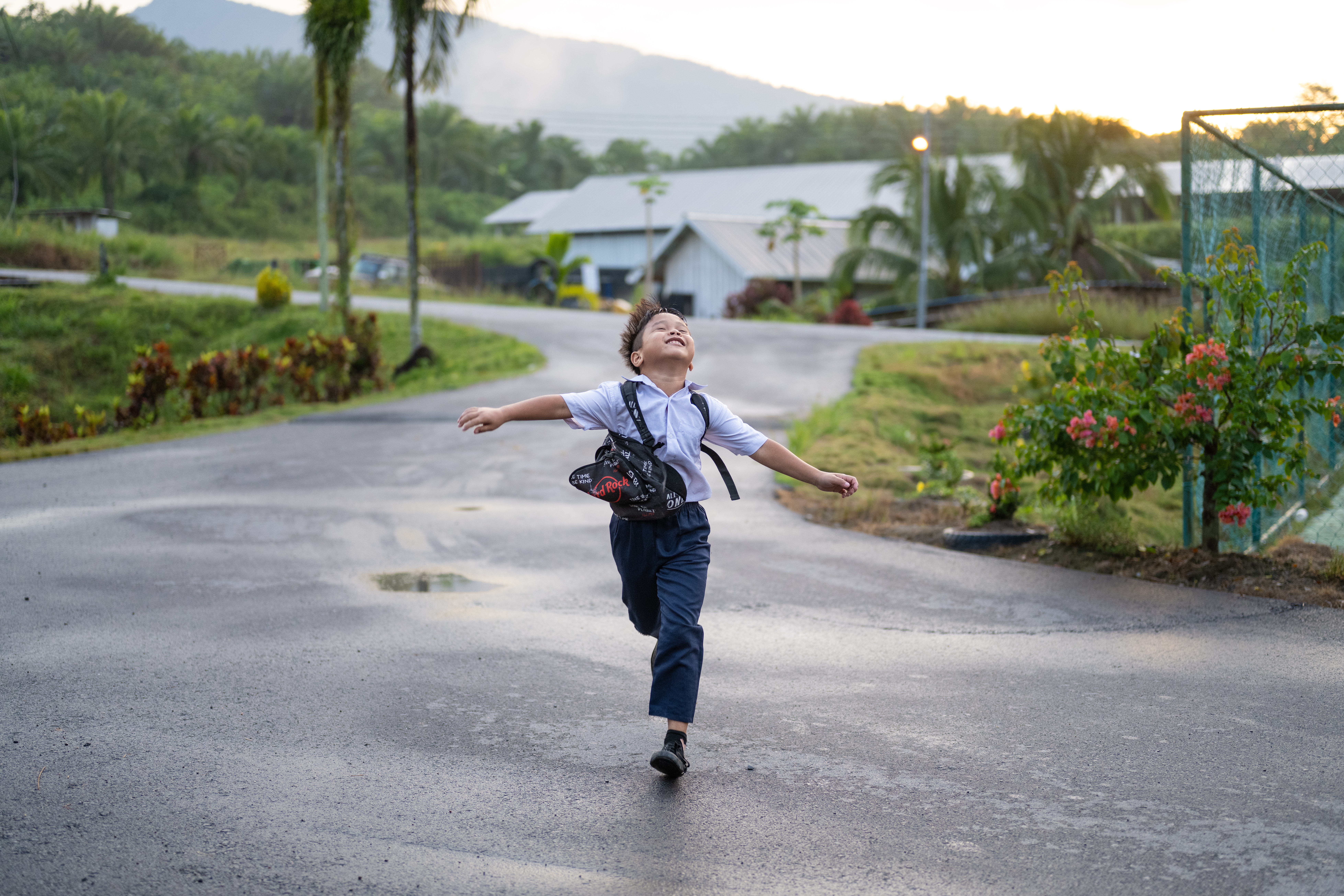
Half of all 10-year-olds can’t read a simple story.
—
Education is both a fundamental right and a powerful tool for breaking poverty cycles. The focus must shift from access to actual learning.
We’ll help countries ensure every child can enroll, stay in school, feel safe, and learn:
Access and retention
Support flexible pathways like catch-up classes and accelerated learning. Focus on girls, children with disabilities, and those in emergencies.
Learning quality
Reach zero-dose children who miss all vaccines. Strengthen supply chains. Work toward eradicating polio.
Skills for Life and Work
Expand early diagnosis and antiretroviral therapy, particularly in Sub-Saharan Africa.
Schools as service platforms
Integrate support into health, education, and protection systems. Prioritize adolescents, especially girls.
System strengthening
Prevent stunting and treat malnutrition across 1.2 billion children and women. Focus on adolescent girls and women of reproductive age.
Emergency Response
Help 100 million children access safe drinking water. Improve sanitation for 200 million children.
We’ll track enrollment, learning outcomes, skills development, and access for marginalized children. We’ll partner with UNESCO, the World Bank, the Global Partnership for Education, and Education Cannot Wait.
Goal 3: End Child Poverty
100 million fewer children in multidimensional poverty
—
1.4 billion children have no social protection coverage.
—
Poverty isn’t just about income. It’s deprivation across multiple areas that compounds and passes between generations.
We’ll help countries build inclusive systems that give every child access to essentials:
Social protection
Strengthen systems that provide child and family benefits. Make them shock-responsive for disasters and crises. Link with education, healthcare, and childcare.
Youth employment
Create ecosystems supporting jobs, training, and entrepreneurship. Focus on adolescent girls and young women.
Social inclusion
Embed disability inclusion and gender equality across all programs. Provide assistive technology and accessible services. Shift stigma through community engagement.
Public finance
Advocate for child-focused budgeting. Support domestic resource mobilization. Protect social spending during crises. Improve efficiency.
We’ll monitor children receiving benefits, poverty rates, youth employment, disability services, and public spending. We’ll work with the World Bank, ILO, UNDP, and the Coalition to End Child Poverty.
Goal 4: Protect from Violence
350 million children protected from violence
—
2 out of 3 children face violent punishment at home.
—
Violence against children takes many forms: physical, emotional, and sexual abuse; neglect; exploitation; online violence; child marriage; female genital mutilation; child labor. All have serious, lasting consequences.
We’ll help countries build systems that prevent violence and protect children when it happens:
Child protection systems
Improve laws and policies. Expand specialized services like trained social workers and safe spaces. Ensure access to justice. Reach children on the move and those with disabilities.
Birth registration
Integrate with health and education systems. Use technology to reach remote areas. Eliminate barriers.
Mental health support
Scale up counseling and psychosocial services. Focus on children affected by conflict, displacement, or violence.
Ending harmful practices
Challenge child marriage and eliminate female genital mutilation. Keep girls in school. Change social norms.
Safe schools
Train educators. Establish reporting systems. Address gender-based violence.
Online protection
Strengthen laws. Educate about digital risks. Engage tech companies. Respond to online harm.
Data and accountability
Expand information systems. Monitor grave violations. Use data to guide policy.
We’ll track children accessing services, birth registration, child marriage, FGM, and violence prevalence. We’ll partner with UNHCR, IOM, the Global Partnership to End Child Marriage, and the End Violence Partnership.
Goal 5: Climate Resilience
500 million children protected from climate and environmental risks
—
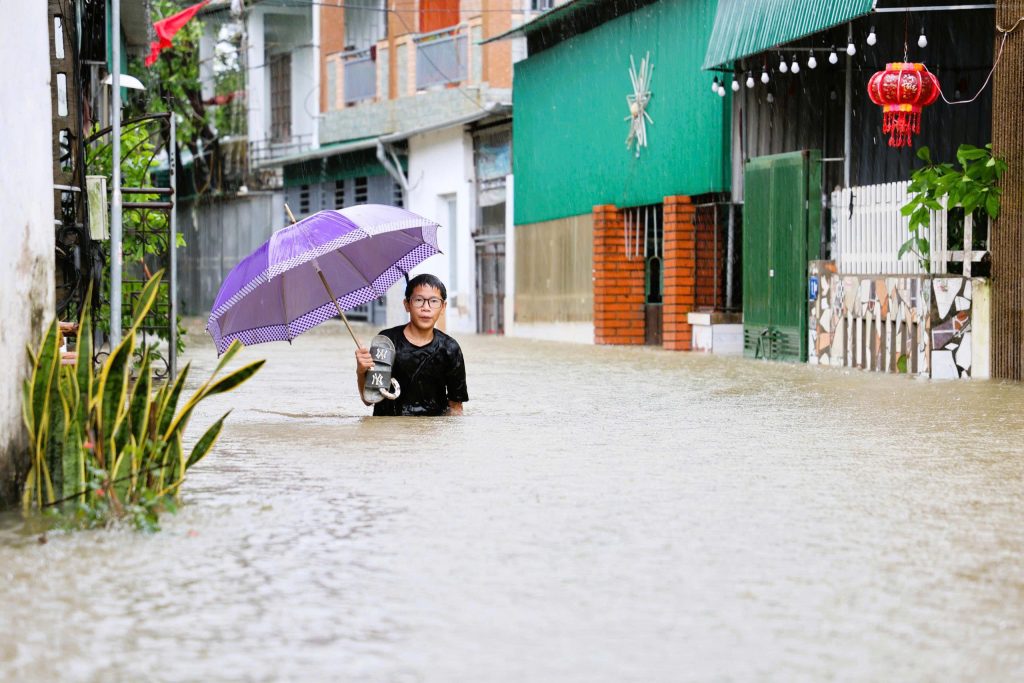
Nearly half of children live in high-risk climate zones.
—
Climate change is an existential threat. Children face death, disease, malnutrition, displacement, and violence from a crisis they didn’t create. We cannot achieve the other four goals without addressing climate.
We’ll help countries protect children before, during, and after disasters:
Climate-resilient services
Deploy resilient infrastructure like solar-powered clinics and flood-resistant schools. Ensure water systems withstand droughts and floods. Keep services running during emergencies.
Disaster risk reduction
Integrate child-sensitive approaches into national systems. Develop early warning systems. Scale anticipatory action that protects children before disasters strike.
Environmental standards
Assess risks in all programs. Promote gender equality and disability inclusion in climate responses. Hold ourselves accountable.
Shock-responsive social protection
Enable rapid cash assistance during climate emergencies. Link systems to climate data and forecasting.
Better data
Track how climate affects children. Strengthen national climate analyses. Include child-sensitive indicators in climate strategies
We’ll monitor children benefiting from resilient infrastructure, early warning coverage, anticipatory action reach, and social protection response. We’ll work with WHO, UNDRR, UNDP, and the Green Climate Fund.
What Could Go Wrong
We face significant risks that could undermine this plan. We’re not ignoring them.
Geopolitical instability and crises
Disrupt access and shift resources from development to emergency response. We're strengthening preparedness, investing in conflict-sensitive programming, and building local partnerships.
Declining aid and debt pressure
Reduce funding for children. We're advocating for child-focused budgeting, diversifying funding sources, and improving spending efficiency.
Digital inequity
Leaves vulnerable children behind. We're promoting inclusive infrastructure, developing low-tech alternatives, and building digital literacy.
Public health emergencies
Derail progress. We're maintaining leadership in outbreak response, rebuilding systems, and learning from COVID-19.
Our Approach
- Risk awareness. We analyze risks before designing programs. We build in flexibility. We prepare for multiple scenarios.
- Connecting humanitarian and development. We build programs that flex during crises. We use response to build back better. We invest in resilience.
- Partnership. We coordinate with UN agencies. We partner with civil society and the private sector. We listen to children and young people.
- Accounability. We track progress transparently. We use data to adjust. We learn from successes and failures. We share evidence.
The Path Forward
By 2030, we’ll know whether the world kept its promises to children.
Success depends on all five goals advancing together. A child who survives but can’t read faces limited opportunities. A child who learns but lives in poverty struggles to thrive. A child who escapes poverty but faces violence cannot feel safe. Everything is connected.
We have proven solutions. We have committed partners. We have evidence of what works. We have the determination of children, families, and communities.
Ten million lives saved. Eight hundred fifty million children learning, protected, lifted from poverty, and made resilient. Entire systems strengthened to sustain progress beyond 2029.
This is how we’ll help every child survive, learn, and thrive.
This strategy guides UNICEF’s work from 2026–2029. We’ll review quarterly and update based on what we learn.
This web page is a concept developed by Chris Lysy of freshspectrum.com for educational purposes. You can download the original 22 page PDF by following this link.